
Polarimeter
Overview
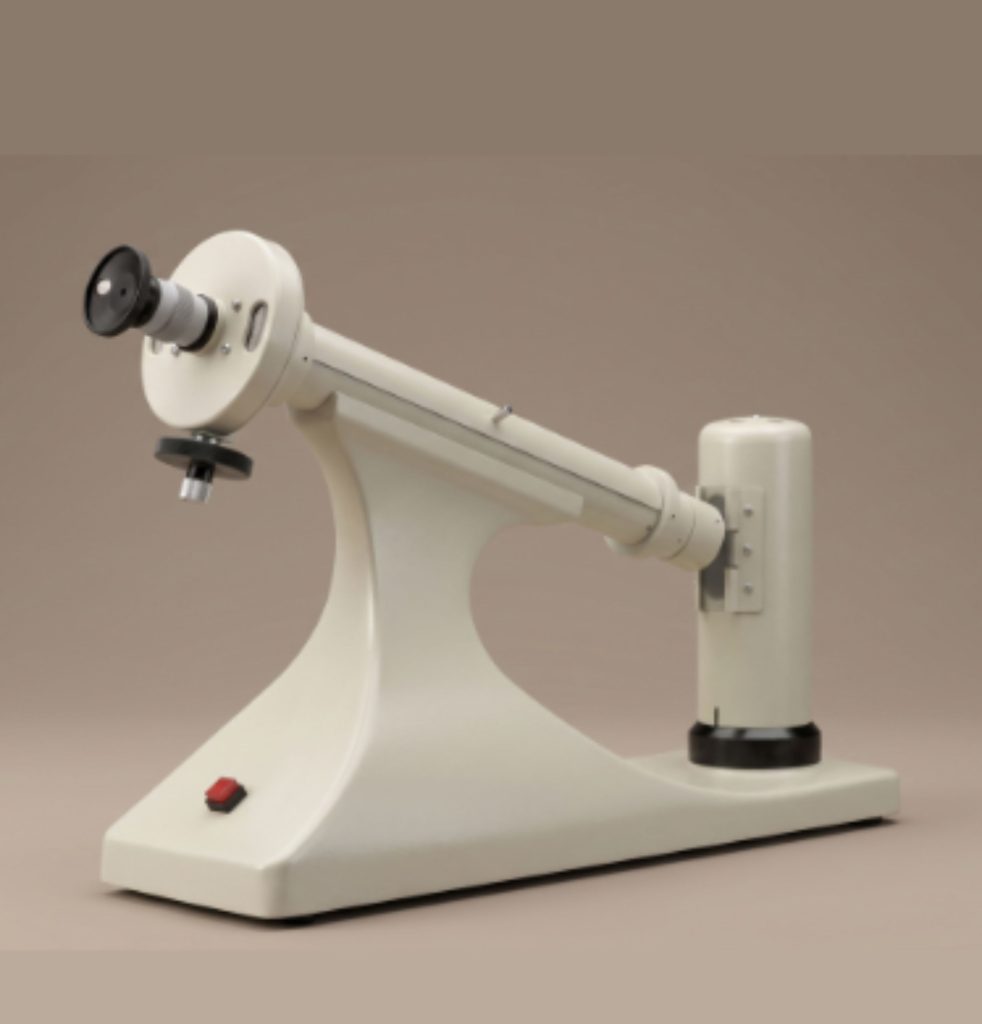
The Polarimeter is an analytical instrument used to measure the angle of rotation of plane-polarized light as it passes through an optically active substance. It is widely used to determine the optical rotation, concentration, purity, and specific rotation of compounds such as sugars, pharmaceuticals, essential oils, and other chiral substances. Polarimeters are commonly employed in pharmaceutical, food, chemical, research, and academic laboratories for quality control and analytical testing.
Principle of Operation
A beam of polarized light passes through a sample contained in a transparent tube. Optically active substances rotate the plane of polarized light by an angle proportional to the concentration, path length, and specific rotation of the sample. The instrument measures this angle of rotation and calculates the corresponding optical properties.
Key Features
- High-precision optical rotation measurement
- Digital display with intuitive user interface
- Automatic angle measurement and calculation
- Fast and accurate analysis
- High measurement repeatability
- Temperature compensation (model dependent)
- Multiple wavelength support (model dependent)
- Data storage and PC connectivity (model dependent)
- Compact and durable design
- Suitable for routine laboratory applications
Main Components
- Light Source
- Polarizer
- Sample Tube
- Analyzer
- Optical Detection System
- Temperature Sensor (model dependent)
- Digital Display
- Control Panel
- Data Communication Interface
Technical Specifications
| Parameter | Specification |
|---|---|
| Instrument Type | Digital Polarimeter |
| Measurement Range | ±89.99° Optical Rotation (model dependent) |
| Resolution | 0.001° |
| Accuracy | ±0.01° |
| Light Source | LED or Sodium Lamp (model dependent) |
| Wavelength | 589 nm (standard) |
| Sample Tube Length | 100 mm / 200 mm (model dependent) |
| Display | Digital LCD/Touchscreen |
| Power Supply | 220–240 V AC, 50/60 Hz |
Applications
- Sugar concentration analysis
- Pharmaceutical quality control
- Optical rotation measurement
- Purity determination
- Chiral compound analysis
- Food and beverage testing
- Essential oil analysis
- Research and development
Benefits
- Accurate and reliable measurements
- Rapid sample analysis
- Easy operation and calibration
- High repeatability and stability
- Minimal sample preparation
- Suitable for routine quality control and research laboratories
Sample Types
- Sugar solutions
- Pharmaceutical formulations
- Syrups
- Essential oils
- Chemical solutions
- Food and beverage samples
- Chiral compounds
Industries Served
- Pharmaceutical Industry
- Food and Beverage Industry
- Chemical Industry
- Sugar Industry
- Research and Development Laboratories
- Quality Control Laboratories
- Universities and Research Institutions